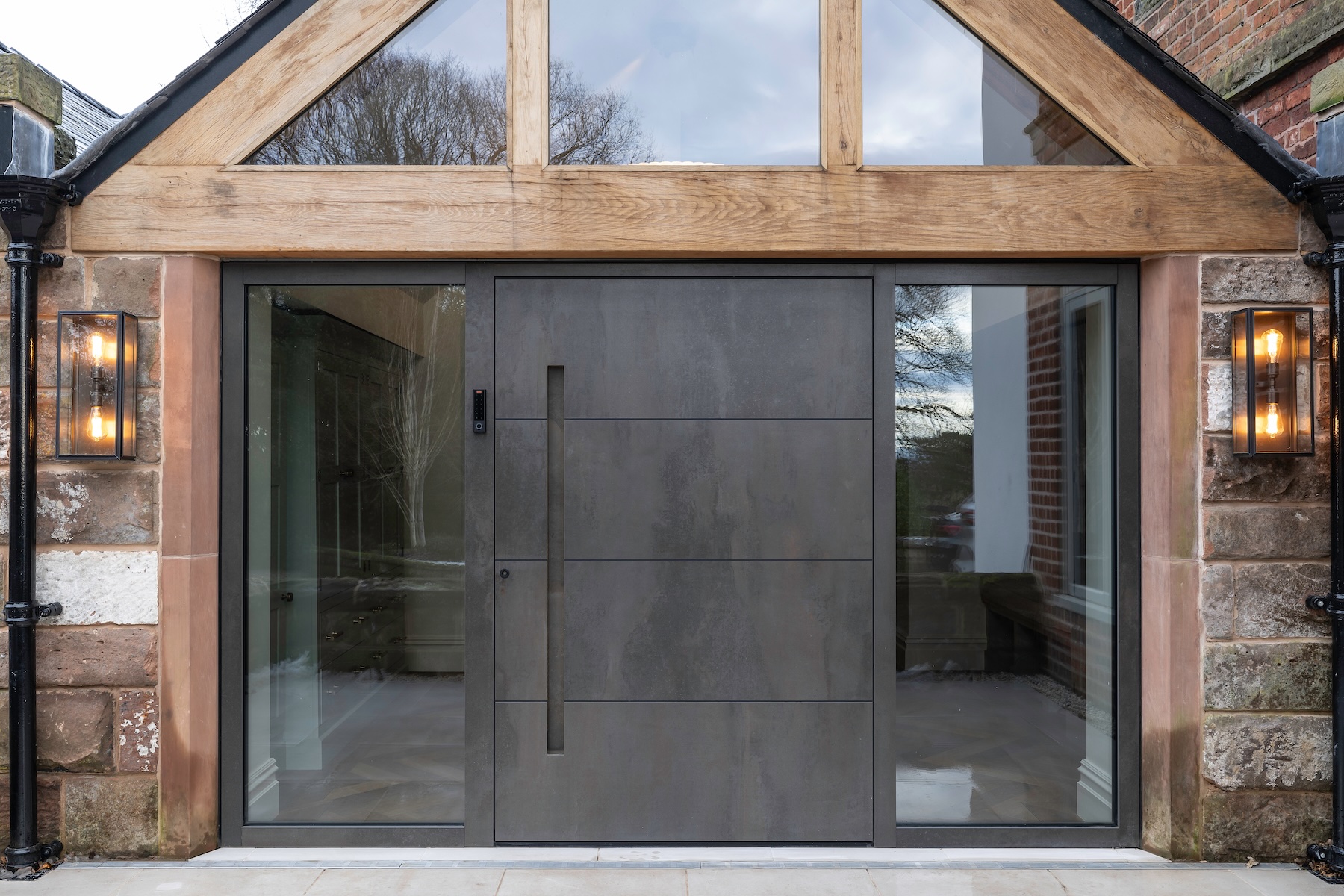
Liverpool has more than thirty conservation areas, including some of the most architecturally significant in the North West — Canning, Princes Park, Sefton Park, Rodney Street, Stanley Park and Falkner Square among them. If your property sits within one, replacing windows or front doors is rarely a like-for-like swap. The good news: with the right specification, modern replacement glazing can sail through planning while delivering 21st-century performance.
Conservation officers focus on three things. First, profile — the visual width and shape of the frame. A bulky modern UPVC casement won't be approved on a Victorian terrace; a slim heritage-profile frame from the Residence Collection or a properly proportioned timber sash will. Second, glazing pattern — the divisions of the glass have to match what was originally there (or what's documented for the property type). Third, materials — timber is always safe; UPVC is acceptable in most areas if the profile is right; aluminium is harder but not impossible.
Listed buildings are stricter again. A Grade II listing typically requires Listed Building Consent (separate from planning permission) and often mandates timber or specific heritage-grade UPVC products. We've delivered projects on Grade II properties across Woolton, Mossley Hill and Sefton Park where the council approved Residence 9 UPVC because the profile matched the original timber sashes within 1mm of the historic dimensions.
Practical tips: always check whether your property is listed (search the Historic England register) and whether it's in a conservation area (Liverpool City Council's online map) before commissioning any work. Engage a glazing specialist with a track record of conservation-area approvals — we've worked with the council enough to know what gets through and what gets refused. Allow a longer lead time (typically 8–12 weeks for planning) and budget for a heritage product range, not the standard catalogue.
If you're planning a project in a Liverpool conservation area or on a listed property, get in touch. We can liaise with the conservation officer on your behalf and shortcut a lot of the back-and-forth that homeowners typically face.