Skip to content
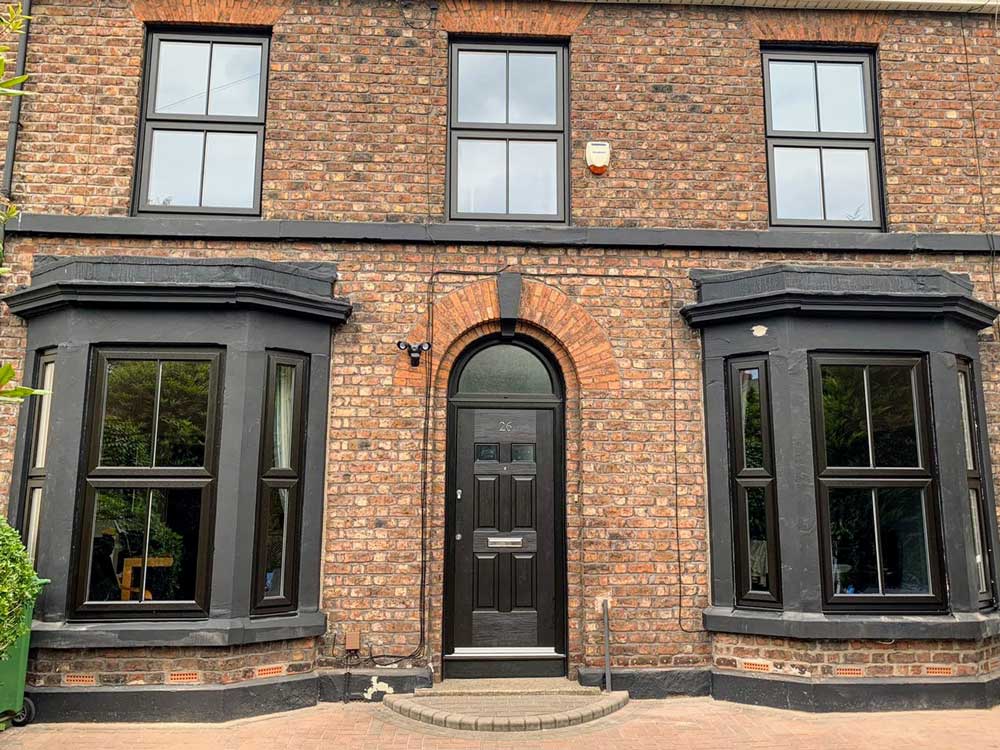
Black-frame projecting bay/oriel windows on a Liverpool brick terrace
Windows

Oriel Windows

Bespoke — heritage and contemporary

Oriel windows project outward from the wall — usually on upper floors — and are supported by brackets, corbels or concealed framing rather than rising from the ground. They add character, additional internal volume and panoramic views to bedrooms, studies, landings and stairwells, while preserving the ground-floor footprint of the property. We supply both heritage-sympathetic oriels that replicate the proportions of Victorian, Edwardian and Arts-and-Crafts originals, and contemporary aluminium oriels designed for new builds, loft conversions and modern extensions across Liverpool and the North West.

Key Features

Built to Perform

Projecting design — adds internal volume without extending the ground floor

Heritage and contemporary configurations to suit any property

Aluminium, timber or premium UPVC frame options

Double or triple-glazed units with low-E coatings as standard

Bracket, corbel or concealed steel support — engineered to suit the structural opening

Multi-pane configurations including angled sides and curved fronts

Integrated drainage, weatherproofing and lead detailing on heritage installs

Conservation-area and listed-building approvals supported by our planning liaison

Bespoke sizing — typically 1.2 m to 3.5 m wide, projecting 300 mm to 800 mm from the wall

10-year guarantee on frame and glazing as standard
Frame MaterialsAluminium, Timber, UPVC
GlazingDouble or Triple
Typical Width1.2 m – 3.5 m
Typical Projection300 mm – 800 mm
SupportBrackets, Corbels, Concealed Steel
Heritage ApprovalListed-building & conservation-area compliant
Gallery
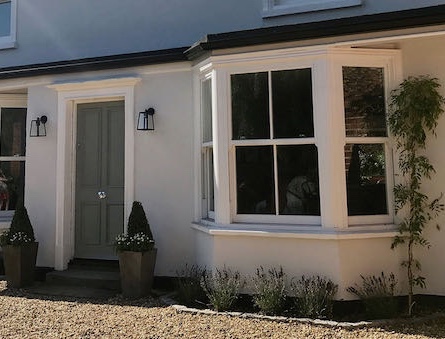
Heritage projecting bay window with sash glazing on a period white-painted property
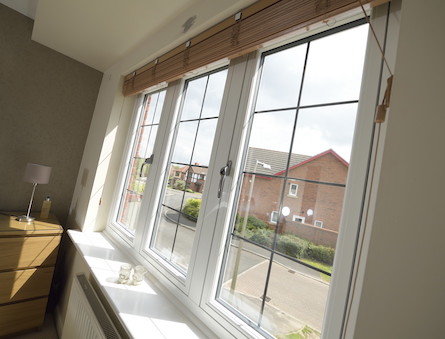
Heritage casement window detail — typical of multi-pane oriel configurations
Common Questions

Frequently Asked Questions

What is the difference between an oriel window and a bay window?+
An oriel window projects outward from the wall but does not rise from the ground — it is supported by brackets, corbels or steel and typically sits on an upper floor. A bay window runs from floor (or floor of an upper storey) to roof line and rests on its own foundation. Oriels are the more architecturally feature-led of the two, often used to draw the eye on a façade.
Are oriel windows suitable for listed buildings and conservation areas?+
Yes — heritage timber or premium UPVC oriels in profiles that replicate the Victorian / Edwardian / Arts-and-Crafts originals are routinely approved for listed buildings and conservation areas. We liaise with Liverpool City Council conservation officer where consent is required, and can supply matching profile drawings as part of the application.
Can an oriel window be added to an existing property?+
Yes, in most cases. We start with a structural survey to confirm the wall can support the projection (or specify the steel needed if not), agree the proportions with you and any planning officer involved, and complete the install in 2-3 weeks once materials are on site. Loft conversions are a particularly common application.
What materials are available for oriel windows?+
Aluminium for contemporary properties (slim sightlines, 900+ RAL colours, dual colour optional), timber for heritage and listed work (paint or stain finish, traditional joinery), and premium UPVC where heritage profile is needed at a lower price point — typically the Residence Collection or REHAU Artevo ranges.
How do oriel windows perform thermally?+
Modern oriels meet or exceed Building Regulations Part L on thermal performance. Aluminium frames are thermally broken; timber frames use sealed double or triple-glazed units; premium UPVC achieves U-values comfortably below 1.2 W/m²K. Lead flashing and integrated weatherproofing details prevent the cold-bridging issues that affected older oriel installs.
Get Started

Request a Consultation

Contact our team for a no-obligation consultation. We offer site surveys and expert advice across Liverpool and the North West.

Design Preview
Colour
Font
Button
Image
Animation